
Borescopy
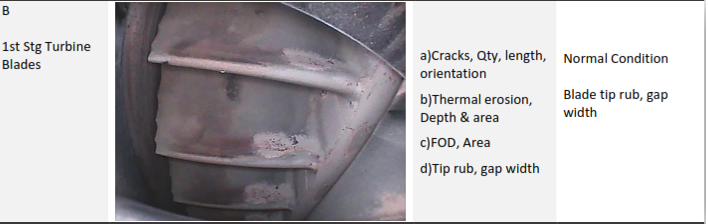
The gas turbine borescope inspection is an internal inspection performed by a trained specialist who assesses the condition of the gas turbine components. This inspection is performed using an instrument specifically designed to examine the gas path, via the access ports positioned along the engine, from the air inlet to the exhaust. These inspections are one of the primary diagnostic methods for maintaining turbo-machinery. Both rigid and flexible fibersco pes are used in conjunction with especially formed guide tubes to inspect the internal stationary and rotating components. Primary goals are to detect early signs of wear or impending failure. The major benefits of the inspection include equipment condition awareness and effective scheduling of any necessary maintenance interventions. In addition, greater reliability / longevity can be achieved through internal inspections, as well as reducing the potential of severe equipment damage. The operating gas turbine engine components, by design, are exposed to high thermal and mechanical constraints. Internal inspections are thus necessary to determine if wear or thermal erosion has occurred. In addition, these inspections will quantify if any foreign object damage (FOD) or corrosion has occurred, as well as assessing internal components for thermal deterioration, cracking or distortion.
Application:
-
Cracks
- Nicks and Dents
- Tip damage
- Debris
- FOD
- Residue
- Corrosion
- Wear
- Excessive fouling
- Damaged mesh
- Pilot Center erosion
- Fuel hole contaminated, blocked
- Broken fuel spoke
- Thermal erosion
- Hot spots
- Corrosive pitting
- Tip rub
- Gap width
- Curling
- Lever arms bent
- ………………….